AI for Equipment Monitoring
acty.dev sets up camera-based AI for equipment monitoring on the plant floor, watching agreed equipment states such as running versus stopped, an indicator light, or a guard position, with confirmed changes sent automatically into your MES, CMMS, or SCADA and an alert to the person responsible.
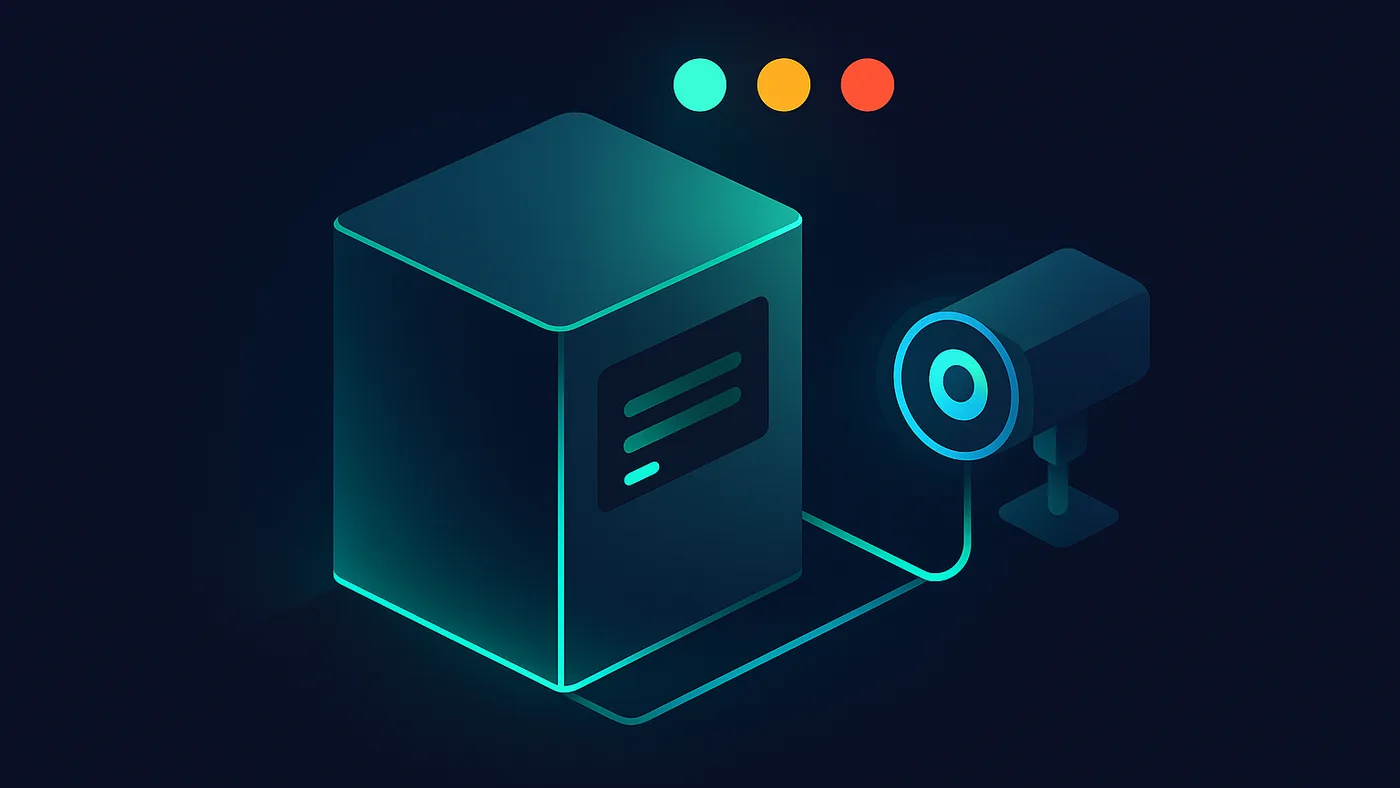
A shift’s worth of machine states rarely gets written down anywhere. The system watches instead, and when a state changes, it classifies why and raises the event automatically. The same cameras can also double-check an existing sensor before its alarm gets escalated, and pick up wear on tooling before it turns into a defect.
Where it applies on the floor
Classifying why a line stopped. A line cycles through setup, running, and stopped states across a shift, the way any machine does. When it stops, the cause usually falls into one of a few recognizable classes: no operator at the post, a jam, an empty feed zone, or a guard opened for a changeover. A status light left on the wrong color after a reset is caught the same way, as a state of its own. The system reads the frame events around the stop, classifies which of those it was, and sends the stop and its cause into your maintenance or production system with an alert to whoever’s responsible for that line. Micro-stops that used to disappear into a shrug at the end of the shift become a counted, addressable statistic instead.
Setup time versus run time, machine by machine. Before a machine runs a new job, it goes through a setup or changeover: tooling swapped, a guard opened, settings adjusted. The start and end of that operation show up as distinct, visible events in the camera’s view, whether or not anyone is timing it by hand. The system clocks the setup automatically from those events, machine by machine and shift by shift. Changeover time turns into a measured, comparable number instead of a rough estimate carried in someone’s head.
A camera double-checking a sensor alarm. Machines on the floor often already carry sensors that raise an alarm on their own, and some share of those alarms are just noise, not a real fault. When a sensor fires, the camera checks what it can actually see at that machine before the alarm goes any further. An alarm that matches what the camera sees gets escalated; one that doesn’t is marked unconfirmed rather than paged as an incident. The team ends up reacting to real incidents instead of chasing sensor noise across a shift.
Visible wear on tooling, with an acoustic fallback. Tooling and spindle components wear visibly over time, and on some machines a developing fault shows up in sound before it ever becomes visible. When a wear pattern appears on tooling or a spindle, the system recognizes it and adds it to a running set of anomaly statistics for that machine. Where the fault is the kind that’s heard rather than seen, an acoustic channel can be added alongside the camera to catch it the same way. Wear-related failures move toward planned maintenance on your schedule instead of a surprise breakdown on the line itself.
The problem we solve
Machine and equipment status is easy to miss when nobody is standing at that spot on the floor: a stopped line, an open guard, or a status light left in the wrong state can go unnoticed until someone happens to walk past, with no record of when the state actually changed.
How we work
- Pilot scoping.We agree which equipment and states to watch on this line, then set the footage sample that will validate the detection before any build starts.
- Pilot on your footage.This pilot runs on your own equipment footage, watching for the running, stopped, and other states agreed during scoping. The acceptance rules for this pilot are the ones set out on the AI video analytics page.
- Integration.Confirmed state changes are sent as an automatic event into your MES, CMMS, or SCADA, alongside a dashboard feed your team can check directly; states flagged as uncertain can be routed to a person for a decision.
- Rollout and support.Coverage extends from the piloted machines to the full set you've agreed on, with documentation for your team and ongoing support or tuning as equipment, states, or stop causes change.
What you bring / what you get
Inputs
- Camera coverage of the machines you want watched, whether your own footage or existing CCTV, for the pilot
- The equipment and states you want watched
- How your team currently notices and reacts to a state change
Outputs
- State detection for the agreed machines and states, confirmed on your own equipment footage during the pilot
- A state-change feed or log for the watched equipment
- Automatic events sent into your maintenance or production system when a watched state changes
Definition of done.An equipment-monitoring pilot is done when the agreed machines and states are detected on your own footage within the acceptance thresholds agreed for the pilot, each confirmed state change lands in your MES, CMMS, or SCADA as an event, and rollout notes cover every machine in scope.
Fit and anti-fit
Good fit
- Manufacturing sites with equipment status nobody is watching in real time
- Sites ready to wire confirmed state-change events into their maintenance or production system, not just get advice
Not a fit
- Requests for a fixed detection-accuracy guarantee
- A single-machine micro-budget request with no defined states or event set
Questions
- What does AI equipment monitoring include?
- Camera-based watching of machine or equipment state, checked on your own footage against the control sample and thresholds set for the pilot, and delivered as an automatic event into your maintenance or production system whenever a watched state changes, with the cause classified for stops.
- How does it classify why a line stopped?
- The system watches the frame events in the seconds around a stop: who or what is at the post, whether material is still reaching the feed, and whether a guard panel is open. That pattern is what separates a stalled feed from a changeover pause, for example.
- Where does a confirmed stop or anomaly go?
- An alert with a short clip and the classified cause reaches the person responsible for that line, and the same stop is logged against that machine. When the camera can't tell for sure which state a machine is in, that reading can go to a person to decide instead of straight into the log.
- Can it catch wear on tooling before it causes a defect?
- Yes. Wear that shows on the surface of tooling or a spindle is picked up by the camera and logged against that machine over time. Where a fault is heard before it is seen, a microphone channel can sit next to the camera and feed the same log.
- How is this different from a sensor-based monitoring setup?
- This is camera-based, and it can also double-check an existing sensor's alarm against what the camera actually sees before that alarm gets escalated, cutting down false call-outs from sensor noise alone. If you already have sensor data, we cover how it fits alongside the camera during the task review.
- How is this priced?
- A single-machine pilot can start from a few hundred dollars. Broader coverage across a line, or an ongoing retainer, gets priced after we review the task with you.
Explore
Have a process, dataset, or camera footage to work from?